Abstract
Voriconazole (VCZ) has a narrow therapeutic window and is metabolized by CYP450 enzymes, predisposing it to adverse drug events (ADEs) and drug-drug interactions (DDIs), yet its multisystem safety profile and combination-therapy characteristics in real‑world practice remain inadequately understood. To address this gap, we extracted VCZ-related ADE reports from the FDA Adverse Event Reporting System (FAERS) between Q1 2004 and Q1 2025 and applied four disproportionality methods (ROR, PRR, BCPNN, and MGPS) for single-drug signal detection, alongside additive, multiplicative, and Ω shrinkage models to assess superadditive or supermultiplicative DDI risks. A total of 36,854 reports from 12,505 patients were analyzed, revealing that males (52.73%) and individuals aged ≥64 years (31.38%) were high-prevalence groups, and most ADEs occurred within 30 days of dosing (median time-to-onset: 6.00 days). Single-drug signals predominantly affected infections/invasive diseases (21.74%), ocular disorders (9.18%), and neurological conditions (7.25%), with newly identified strong positive signals for osteochondritis dissecans and trichotheliomycosis. The DDI analysis identified 355 strong-positive combinations involving 117 drugs from 16 classes, with antineoplastics, systemic antifungals, and cardiovascular agents being the most frequent, and 49 rare combination risks (e.g., belintuzumab, ertapenem) that impacted neurological, hepatic, and renal systems. Collectively, these findings demonstrate that VCZ carries multifaceted safety risks in real-world settings, with DDI hazards spanning diverse drug classes and including rare but highly lethal signals; therefore, precise clinical monitoring should be prioritized for high-prevalence populations, early-onset periods, and high-risk drug pairs, with particular vigilance for newly recognized adverse reactions and uncommon DDI threats.
Keywords
Voriconazole, FAERS Database, Adverse Events, Signal Detection, Disproportionality Analysis, Pharmacovigilance
1. Introduction
Voriconazole (VCZ), a second-generation triazole broad-spectrum antifungal agent, selectively targets and tightly binds to the fungal cytochrome P450 enzyme. Its specific triazole ring and fluorinated group structure markedly enhance its affinity for the fungal CYP51 enzyme (lanosterol 14 α-demethylase)
. This drug competitively inhibits the active site of the CYP51 enzyme and irreversibly occupies the iron atom of its heme cofactor, thereby effectively disrupting the enzyme's catalytic function. This inhibition results in the accumulation of toxic sterol precursors and a deficiency of normal ergosterol, ultimately compromising the structure and function of the fungal cell membrane. Since its approval by the US Food and Drug Administration (FDA) in 2002, VCZ has exhibited significant antifungal activity against prevalent pathogenic fungi such as Aspergillus and Candida
| [2] | Boutin CA, Durocher F, Beauchemin S, et al. Breakthrough Invasive Fungal Infections in Patients With High-Risk Hematological Disorders Receiving Voriconazole and Posaconazole Prophylaxis: A Systematic Review. Clin Infect Dis. 2024; 79(1): 151-160. https://doi.org/10.1093/cid/ciae203 |
| [3] | Xu G, Zhu L, Ge T, et al. Pharmacokinetic/pharmacodynamic analysis of voriconazole against Candida spp. and Aspergillus spp. in children, adolescents and adults by Monte Carlo simulation. Int J Antimicrob Agents. 2016; 47(6): 439-445.
https://doi.org/10.1016/j.ijantimicag.2016.02.016 |
[2, 3]
.
VCZ has demonstrated significant antifungal efficacy in clinical trials, and its clinical application continues to expand; however, associated safety concerns have garnered increasing attention. Among these, hepatotoxicity is a prevalent adverse reaction, with mechanistic studies indicating a close relationship between this toxicity and the drug's inhibition of the cholesterol synthesis pathway, as well as alterations in downstream gene expression profiles induced by the drug
. Currently, the evidence supporting safety awareness of VCZ primarily derives from case reports, clinical trials, and meta-analyses. Data from the SECURE Phase III clinical trial involving patients with invasive mycosis revealed that the most frequent adverse reactions in the VCZ treatment group included gastrointestinal disorders (69%) and infections (61%). Additional adverse reactions encompassed skin and subcutaneous tissue disorders (42%), eye disorders (27%), and hepatobiliary system disorders (16%)
| [6] | Maertens JA, Raad II, Marr KA, et al. Isavuconazole versus voriconazole for primary treatment of invasive mould disease caused by Aspergillus and other filamentous fungi (SECURE): a phase 3, randomised-controlled, non-inferiority trial. Lancet. 2016; 387(10020): 760-769.
https://doi.org/10.1016/S0140-6736(15)01159-9 |
[6]
. Further analysis of the mechanism of action reveals that while VCZ primarily targets the fungal CYP51A enzyme (14α-sterol demethylase), it also partially inhibits the CYP51A1 isoenzyme in humans. This inhibitory effect is thought to underlie endocrine system disorders. Clinical manifestations include gynecomastia, alopecia, diminished libido, disorders of sperm production, erectile dysfunction, and electrolyte imbalances. In severe instances, it may even lead to adrenocortical insufficiency
| [7] | Zhang Y, Hao X, Hou K, et al. Impact of cytochrome P450 2C19 polymorphisms on the clinical efficacy and safety of voriconazole: an update systematic review and meta-analysis. Pharmacogenet Genomics. 2022; 32(7): 257-267.
https://doi.org/10.1097/FPC.0000000000000470 |
| [8] | Duman AK, Fulco PP. Adrenal Insufficiency With Voriconazole and Inhaled/Intranasal Corticosteroids: Case Report and Systematic Review. J Pharm Pract. 2017; 30(4): 459-463. https://doi.org/10.1177/0897190016646510 |
[7, 8]
. Beyond hepatotoxicity and endocrine effects, VCZ exhibits toxicity to additional organ systems. A retrospective pilot study indicated that mild visual and neurological/psychiatric symptoms frequently occur during the stress phase
| [9] | Wu YP, Gelal A, Moon C, et al. Pharmacogenetics of steady-state metabolism, pharmacokinetics, and adverse effects of voriconazole in healthy participants. Drug Metab Dispos. 2025; 53(10): 100156. https://doi.org/10.1016/j.dmd.2025.100156 |
[9]
. In the digestive system, the drug may also provoke pancreatitis
| [10] | Song QL, Guan Y. A case of acute pancreatitis induced by voriconazole during treatment of cryptococcal meningitis. Br J Clin Pharmacol. 2022; 88(4): 1925-1929.
https://doi.org/10.1111/bcp.14957 |
[10]
. Prolonged use can result in various long-term adverse reactions, including periostitis
| [11] | Ashmeik W, Schirò S, Joseph GB, et al. Associations of cumulative voriconazole dose, treatment duration, and alkaline phosphatase with voriconazole-induced periostitis. Skeletal Radiol. 2025; 54(1): 41-47.
https://doi.org/10.1007/s00256-024-04707-2 |
[11]
, phototoxic reactions
, and an elevated risk of cutaneous squamous cell carcinoma
| [13] | Ng W, Takahashi A, Muto Y, et al. High-risk cutaneous squamous cell carcinoma in a Japanese allogeneic bone marrow transplant recipient on long-term voriconazole. J Dermatol. 2017; 44(10): 1152-1155.
https://doi.org/10.1111/1346-8138.13867 |
[13]
.
As a primary agent for the treatment and prevention of invasive fungal infections (IFI), VCZ has garnered considerable attention regarding its clinical application across multiple systems, particularly concerning the risk of ADEs associated with polypharmacy. The incidence of these adverse events may be influenced by various factors, including the drug's pharmacokinetic properties, dosage adjustments, and individual patient characteristics. However, there is a notable deficiency in large-scale research examining safety profiles
| [14] | Cheng L, You X, Wang X, et al. The Role of Plasma Trough Concentration of Voriconazole and Voriconazole N-Oxide in Its Hepatotoxicity in Adult Patients. Drug Des Devel Ther. 2024; 18: 3617-3628. https://doi.org/10.2147/DDDT.S475706 |
| [15] | Hu X, Tang M, Tang L, et al. Association between trough plasma voriconazole concentration and adverse drug reactions in elderly patients. Int J Clin Pharmacol Ther. 2025; 63(1): 13-20. https://doi.org/10.5414/CP204547 |
[14, 15]
. Most existing studies are constrained by their focus on specific populations, small sample sizes, or stringent inclusion criteria, which results in significant gaps in understanding the comprehensive safety profiles in real-world contexts where the drug is widely utilized.
As the largest spontaneous adverse drug event reporting system globally, the FAERS database encompasses medication safety data from diverse regions and populations, thereby offering critical support for the identification of real-world drug risk signals. This study utilizes the FAERS database and employs four established disproportionality analysis methods to examine signal variations across genders and age groups. Key confounding factors, including reporting year, country, and severity, were adjusted using multivariable regression. The safety signals of ADEs associated with different dosage forms of VCZ were systematically analyzed to elucidate their risk distribution characteristics and variations among dosage forms. This research provides a scientific foundation for clinical individualized medication decision-making and enhances the pharmacovigilance system.
2. Material and Methods
2.1. Data Source
The data for this study is derived from the FAERS database, covering the period from Q1 2004 to Q1 2025. This database compiles spontaneous adverse reaction reports submitted by medical institutions, healthcare professionals, patients, and companies globally. The dataset is characterized by a large sample size, extensive coverage, and a prolonged time span, enabling it to effectively elucidate the potential relationship between drugs and adverse events.
2.2. Data Processing
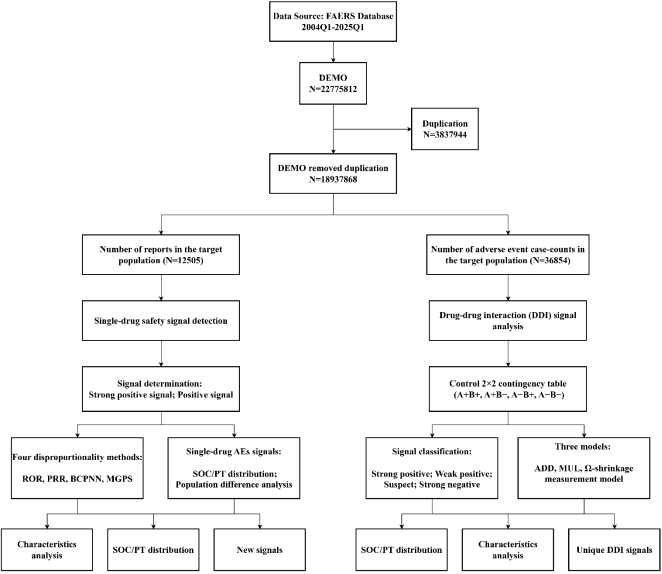
The data processing procedure pertains to the specifications of pharmacovigilance research. The specific steps are as follows: (1) Obtain the original quarterly FAERS data (ASCII/JSON): Utilize the WHO DRUG dictionary (September 2024 version) to standardize all drug names in the database, subsequently filtering the standardized names (common names) through medical subject headings (MESH); (2) Data cleaning and deduplication (DME, duplicate reports, missing fields): Select the PRIMARYID from the DEMO table, along with the CASEID and FDA_DT fields, and sort by CASEID, FDA_DT, and PRIMARYID. For reports sharing the same CASEID, retain the report with the largest FDA_DT value. In instances where CASEID and FDA_DT are identical, retain the report with the largest PRIMARYID value. Only reports where VCZ is identified as the primary suspect drug are preserved, and missing numerical variables are imputed using the median; (3) Screen target adverse events SOC and PT: Employ the MedDRA dictionary (MedDRA27.1) version to code the names of all ADEs, and reference the IME and DME lists published by the EU to annotate the SOC and PT terms in MedDRA, thereby achieving standardized classification of medical definitions and categories; (4) Interaction analysis: Establish a case group (reports with target PT) and a control group (reports without target PT), and extract combined medication records.. If ≥2 drugs are present in the same report, generatecompile a list of drug pairs and associatelink them to the corresponding case/control identifiers. For each pairsuspected ofdrug suspectedpair drugs (A, B) and the target PT, countcalculate the four-grid data: A+B+, A+B−, A−B+, and A−B−. four-gridEmploy data, use empirical Bayes shrinkage to estimate Ω and generateproduce a DDI signal report. The specific data mining pathpathway is shownillustrated in
Figure 1:
Figure 1. Flow chart of the inclusion of adverse events.
2.3. Signal Detection
A single drug employs four internationally recognized disproportionality analysis methods to collectively identify safety signals: the Reporting Odds Ratio (ROR), the Proportional Reporting Ratio (PRR), which includes the comprehensive standard method of the Medicines and Healthcare products Regulatory Agency (MHRA), the Bayesian Confidence Propagation Neural Network (BCPNN), and the Multi-Item Gamma Poisson Shrinker (MGPS) method. The methodological principles and criteria for signal judgment are outlined as follows
| [16] | Jiang Y, Zhou L, Shen Y, et al. Safety assessment of Brexpiprazole: Real-world adverse event analysis from the FAERS database. J Affect Disord. 2023; 346: 223-229.
https://doi.org/10.1016/j.jad.2023.11.025 |
[16]
:
1) ROR: When the number of reported cases a ≥ 3 and 95% CI (lower limit) > 1, it is determined as a positive signal;
2) PRR/MHRA: The PRR method takes a ≥ 3 and 95% CI (lower limit) > 1 as the positive standard; the MHRA method requires a ≥ 3, PRR ≥ 2 and χ2 ≥ 4 at the same time;
3) BCPNN: When the lower limit of the confidence interval (IC-2SD) > 0, it is determined as a positive signal;
4) MGPS: When the number of reported cases a>0 and EBGM 95% CI (lower limit) (EBGM05)>2, it is determined as a positive signal.
ADEs identified as positive by all four methods are classified as strong positive signals. The ROR and PRR methods are straightforward and highly sensitive, making them suitable for the rapid identification of common signals; however, they may yield false positive results when the sample size is small. In contrast, the (BCPNN and MGPS methods incorporate statistical corrections and a Bayesian probability distribution framework, effectively reducing the false positive rate and proving particularly useful for detecting rare adverse events. Nonetheless, these methods are not without limitations, including delays in signal recognition and high computational complexity.
2.4. Interaction (DDI) Analysis
The additive model is predicated on the assumption of additive interaction, positing that the risk associated with drug combinations is equivalent to the sum of the risks posed by individual drugs
| [17] | Nomura K, Takahashi K, Hinomura Y, et al. Effect of database profile variation on drug safety assessment: an analysis of spontaneous adverse event reports of Japanese cases. Drug Des Devel Ther. 2015; 9: 3031-3041.
https://doi.org/10.2147/DDDT.S81998 |
[17]
. This model exhibits high sensitivity to weak signals and employs relatively lenient judgment criteria, leading to a high false positive rate and a low rate of missed positives. Consequently, it is well-suited for identifying all potential risks. In contrast, the multiplicative model is founded on the assumption of multiplicative interaction, asserting that the risk of drug combinations equals the product of the risks of each individual drug. This model demonstrates heightened sensitivity to strong synergistic interactions, with judgment criteria that are somewhat stricter than those of the additive model, aligning more closely with the dynamics of DDIs concerning efficacy and metabolic synergy
| [18] | Norén GN, Sundberg R, Bate A, Edwards IR. A statistical methodology for drug-drug interaction surveillance. Stat Med. 2008; 27(16): 3057-3070. https://doi.org/10.1002/sim.3247 |
[18]
. The Ω shrinkage measurement model represents a conservative approach, incorporating a shrinkage noise reduction algorithm that effectively filters out noise interference, such as reporting bias and uneven sample sizes within the database. This model applies the most stringent criteria for positive determination, resulting in the lowest false positive rate; however, it is associated with a high rate of missed positives
.
First, a four-grid table was constructed based on the "case-control" principle, and n11, n10, n01, and n00 were defined as the number of reports of occurrence/absence of the target PT in the combined exposure, single exposure, and no exposure groups respectively. Subsequently, (1) Additive model (ADD) relative excess risk (RERI) is used: logit P = α + β₁Drug1+ β₂Drug2 + β₃(Drug1Drug2), β₃ > 0 and p < 0.05 is positive; (2) Multiplicative model interaction term (Multiplicative model, MUL): log(P) = α + β₁Drug1 + β₂Drug2 + β₃(Drug1Drug2), β₃ > 0 and p < 0.05 means positive; (3) ShrinkageMeasureModel, Ω-shrinkage): Ω= log₂ [(n111 + 0.5)/(s11·n11 + 0.5)], α=0.5; 95% lower limit Ω025 > 0 and n111 ≥ 3 means positive. If the three models satisfy any algorithm combination, it can be considered a positive signal, otherwise it is a negative signal
| [20] | Noguchi Y, Tachi T, Teramachi H. Detection algorithms and attentive points of safety signal using spontaneous reporting systems as a clinical data source. Brief Bioinform. 2021; 22(6): bbab347. https://doi.org/10.1093/bib/bbab347 |
[20]
.
In this study, the conditions that satisfy the criteria of the three models are outlined in
Table 1. A strong positive signal is indicated when all three models yield positive results. Conversely, a weak positive signal arises when two models are positive and one is negative. A suspicious signal is defined when one model is positive (Y) while the other two are negative (N). Lastly, a negative signal is identified when all three models are negative. All confidence intervals were adjusted using the 5000-time Bootstrap percentile method and corrected for multiple comparisons with a false discovery rate (FDR) of less than 0.05.
Table 1. Criteria for Signal Type Classification.
Signal Type | Description |
Strong positive signal | Positive by all three models |
Weak positive signal | Positive by any two models and negative by one |
Suspect signal | Positive by any one model and negative by two |
Negative signal | Negative by all three models |
2.5. Statistical Analysis
VCZ-related ADEs reports were extracted through FastSignal V2.0 software (http://www.faers.trit-bio.com). All calculations were run independently in SAS 9.4 (PROC GENMOD + Bootstrap) and R 4.2 (PhViD and signalDRI packages). The results were cross-validated to ensure robustness. Measurement data are expressed as median (interquartile) [M (IQR)] or mean ± standard deviation (x±s), and count data are expressed as number of cases (proportion) [n (%)]. The focus is on analyzing the differences between different dosage forms in terms of demographic characteristics, onset time, severity, and signal distribution. Screening criteria for new adverse reactions of voriconazole: (1) Efficacy-related events (such as drug ineffectiveness, treatment failure, drug resistance, etc.); (2) Pharmacokinetic abnormalities (such as increased/decreased drug levels); (3) Infections secondary to progression of the patient's underlying disease or treatment failure (such as Aspergillus infection, bronchopulmonary aspergillosis, etc.); (4) Adverse reactions that have been clearly documented in the official FDA/EU/China instructions.
3. Results
3.1. Descriptive Results
A total of 36,854 reports of VCZ-related ADEs were included, involving 12,505 patients receiving the target drugs. Descriptive results are presented in Supplementary
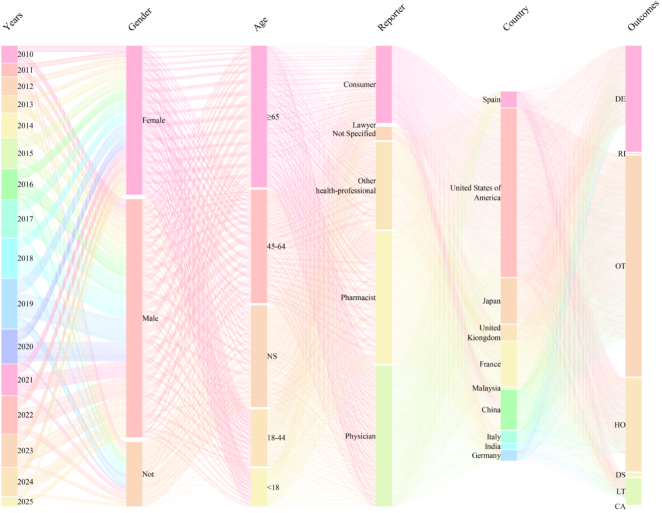
Table 1. Between 2004 and 2025, reports of VCZ ADEs continued to emerge, primarily from medical professionals, with physicians accounting for the highest proportion at 31.17%. The United States was identified as the leading reporting country, contributing 37.36% of the total. The proportion of men reporting ADEs was significantly higher than that of women, with men representing 52.73% and women 32.98%. Among cases with clearly documented age records, individuals aged 64 years and older comprised the largest group, accounting for 31.38%. The TTO was 6.00 days [IQR 1.00, 21.00]. The period of highest incidence of ADEs occurred within 30 days following drug administration. Among the serious ADE reports, the most common outcomes were categorized as other serious medical events (56.63%) and hospitalization (30.01%). Reports of death accounted for 26.97%. A limited number of reports involved life-threatening situations and cases of disability, as illustrated in
Figure 2.
Figure 2. Alluvial diagram of descriptive results.
3.2. SOC Distribution of Single Drugs and Detection Results of PT Positive Signals
This study performs a signal assessment of ADEs associated with the target drug. Reporting of VCZ's ADEs encompasses multiple systems, as detailed in Supplementary
Table 2. The five most prevalent SOCs are as follows: infections and infectious diseases (21.74%), various examinations (10.39%), eye diseases (9.18%), various neurological diseases (7.25%), and diseases of the hepatobiliary system (6.28%).
We identified 50 PTs that satisfied the criteria for the four algorithms, ranking them in descending order based on the signal strength of ROR (95% CI). Some PT signal intensities were significantly higher, with the highest increase in fluoride (ROR=2329.22), chronic pulmonary histoplasmosis (ROR=1527.35), periostitis (ROR=1191.95), fluorosis (ROR=877.98), macular opacity (ROR=704.99), and ocular surface squamous epitheloma (ROR=678.91). The 10 most frequently reported PTs inwere orderas of reporting frequency werefollows: drug ineffectiveness (n=1659, ROR=2.18, PRR=2.12, IC=1.08, EBGM=2.12), drug interactions (n=1024; ROR=11.17, PRR=10.89, IC=3.44, EBGM=10.89), hallucinations (n=469; ROR=10.95, PRR=10.82, IC=). 3.43, EBGM=2.66), deterioration of disease (n=456; ROR=2.68, PRR=2.66, IC=1.41, EBGM=2.66), photosensitivity reaction (n=409; ROR=43.17, PRR=42.7, IC=5.38, EBGM=42.7), visual impairment (n=379; ROR=5.08, PRR=5.03, IC=2.33, EBGM=5.03), increased drug levels (n=340; ROR=34.98, PRR=34.67, IC=5.08, EBGM=34.67), visual hallucinations (n=334; ROR=28.13, PRR=27.88, IC=4.78, EBGM=27.88), Aspergillus infection (n=274; ROR=63.22, PRR=62.76, IC=5.91, EBGM=62.76), and blurred vision (n=250; ROR=3.11, PRR=3.1, IC=1.63,EBGM=3.1). For detailed data, please refer to Supplementary
Table 3.
3.3. Interaction Results
DDI statistical model signals This study included a total of 4,615 groups of adverse events reported in conjunction with drugs for the purpose of DDI signal detection and evaluation. The independent detection results from each model indicated that the ADD model identified the highest number of positive signals, totaling 4,123 groups (89.3%). This was followed by the MUL model, which detected 2,640 groups (57.2%). In contrast, the contractile measurement model identified the fewest positive signals, with only 576 groups (12.4%).
Table 2. Cohen κ coefficient (κ) and proportional consistency of positive score (Ppositive) and negative score (Pnegative) in three frequency statistical models.
Models | Ppositive | Pnegative | κ(95%CI) |
Additive Model vs Multiplicative Model | 0.619 | 0.216 | 0.222 (-1.199-1.644) |
Additive Model vs ShrinkageMeasure Model | 0.138 | 0.120 | 0.030 (-3.568-3.628) |
Multiplicative Model vs ShrinkageMeasure Model | 0.124 | 0.412 | 0.020 (-2.117-2.157) |
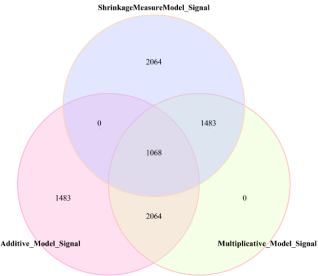
Table 2 presents the kappa consistency coefficient, positive proportional consistency (Ppositive), and negative proportional consistency (Pnegative) for the Ω contraction measurement model, the MUL model, and the ADD model. The corresponding numerical ranges are 0.020–0.030, 0.124–0.619, and 0.120–0.412, respectively, indicating a weak consistency among the three frequency statistical models. Following the joint cross-validation of these models, the weak positive signal emerged as the predominant signal type, comprising a total of 2,446 DDI combinations (53.0%). This finding suggests a substantial number of partially consistent detection results across the models. Suspicious signals were secondary, totaling 1,382 DDI combinations (29.95%), and this signal type was exclusively identified by a single model, necessitating further verification in conjunction with the clinical mechanism of action. Strong negative signals accounted for 432 DDI combinations (9.36%), while strong positive signals comprised 355 DDI combinations (7.69%) (
Figure 3).
Figure 3. Venn diagram of DDI statistical model signals.
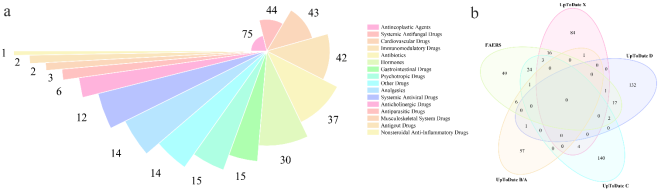
DDI evaluation results This study identified a total of 355 pairs of DDI combinations exhibiting strong positive signals, involving 117 individual drugs across 16 categories. Among the drug categories, anti-tumor drugs (n=75), systemic antifungal drugs (n=44), and cardiovascular drugs (n=43) were the most frequently reported (
Figure 4a). The most commonly cited individual drugs included cyclosporine, followed by prednisone, amphotericin B, and ibrutinib. A search of the voriconazole-related DDI dataset in the UpToDate database yielded 492 individual drugs, of which 262 were classified as high-risk (UpToDate X and D levels). Consistency analysis revealed 70 overlapping drugs with strong positive signals in this study, including 39 duplicate high-risk drugs such as cyclosporine and amiodarone, which are typically metabolized by CYP3A4 (
Figure 4b).
Figure 4. Analysis of DDI strong positive signals. 4a Drug classes of strong positive signals. 4b Comparison of individual drugs with strong positive signals and UpToDate-listed individual drugs.
The FAERS dataset uniquely includes 49 drugs associated with DDIs, spanning various treatment areas. These areas encompass immunomodulatory agents (e.g., belintuzumab, mycophenolic acid, human blood gamma globulin); systemic antiviral medications (e.g., acyclovir, oseltamivir, entecavir); systemic antifungal agents (e.g., caspofungin, clotrimazole, micafungin); cardiovascular drugs (e.g., eltrombopag, olmesartan, furosemide, warfarin); antibiotics (e.g., amoxicillin, ertapenem, meropenem, vancomycin); anti-tumor medications (e.g., cytarabine, daratumumab, pembrolizumab); and additional categories of essential drugs, including antiparasitic agents, antigout medications, hormone preparations, and psychotropic substances.
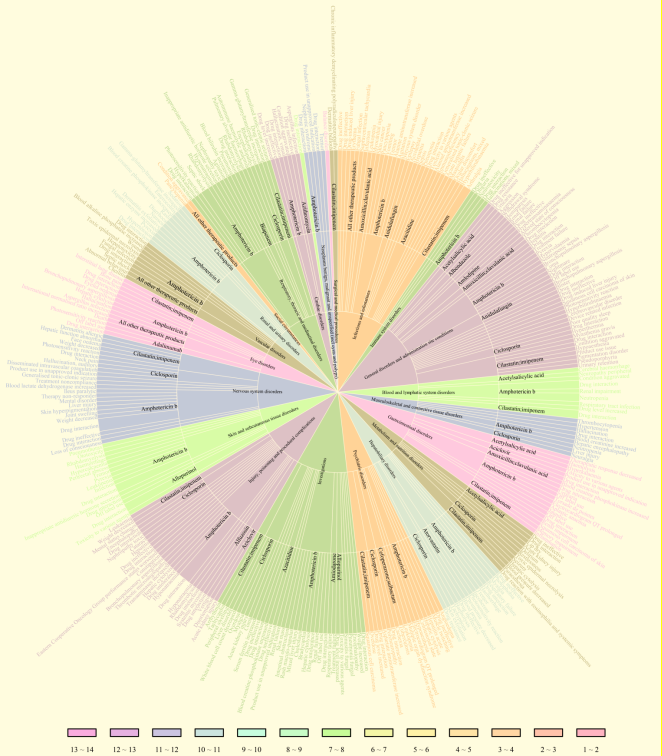
Security analysis We performed a comprehensive analysis of the strong positive signal DDI combination, revealing its involvement with 21 SOCs and 193 PTs. The detailed distribution is illustrated in the sunburst chart presented in
Figure 5. Notably, systemic diseases and administration site reactions constitute the primary signals, accounting for 25.92%, followed by neurological diseases, abnormal examinations, and infectious diseases, among others.
The 49 FAERS specific drugs associated with DDIs provide explicit warnings regarding the risks of rare clinical combinations, while the pharmacovigilance signals for several high-risk combinations hold significant clinical importance. The risk associated with antibiotic combinations is particularly pronounced. For instance, the co-administration of amoxicillin and VCZ may result in drug failure, the development of drug resistance, and drug reactions characterized by eosinophilia. Additionally, the combination of ertapenem, meropenem, and ceftriaxone has been linked to the induction of systemic tonic-clonic seizures. Furthermore, the use of linezolid can lead to neurotoxicity and acute hepatitis, while vancomycin may precipitate renal failure, affecting critical targets across multiple organ systems. Among immunomodulatory drugs, the combination of belintuzumab and VCZ may lead to encephalopathy and balance disorders. The use of mycophenolic acid can result in a decrease in white blood cell count and liver disease. Additionally, the combination of human blood gamma globulin can induce severe adverse events, including photosensitivity reactions and hemolysis. In the realm of cardiovascular medications, the combination of olmesartan and VCZ can damage renal function and lower blood pressure. The use of warfarin may elevate the international normalized ratio, thereby increasing the risk of bleeding. Furthermore, the combination of furosemide may lead to pseudoporphyria, with the risk further heightened in elderly patients with reduced physiological function. Moreover, the concurrent use of allopurinol and VCZ can result in toxic epidermal necrolysis and multiple organ dysfunction syndrome. The combination of morphine may cause mixed hallucinations and confusion, while the use of isotretinoin may induce squamous cell carcinoma. Although these pharmacovigilance signals are reported infrequently, the rapid progression of the associated diseases and their high fatality rates necessitate their inclusion in key clinical monitoring areas.
Figure 5. Relevant SOC and PT signals associated with voriconazole-drug coadministration in strong positive DDI pairs.
4. Discussion
This study analyzes 36,854 reports of ADEs related to VCZ in the FAERS database from Q1 2004 to Q1 2025. The findings indicate that reporting characteristics are closely associated with clinical medication scenarios, population demographics, and pharmacovigilance systems. This research offers a significant reference for real-world risk prevention and control.
In terms of reporting sources, medical professionals constitute the primary reporting group, with 31.17% of reports originating from physicians, while the United States accounts for 37.36% of total reports. This trend can be attributed to the well-established pharmacovigilance system in the United States and the heightened reporting awareness among medical personnel. Nevertheless, it is important to recognize that the inherent characteristics of the spontaneous reporting system may introduce reporting bias. Medical resources are predominantly concentrated in Europe and the United States, where serious or rare adverse reactions are more readily identified and reported. In contrast, reports from developing countries may be incomplete, necessitating careful evaluation of the global applicability of this study's findings.
In terms of population characteristics, the proportion of men reporting ADEs (52.73%) was significantly higher than that of women (32.98%). Additionally, individuals aged 64 years and older (31.38%) constituted a high-risk group. This finding aligns with the conclusions drawn by Hope WW and other scholars
| [21] | Zhang Y, Hou K, Liu F, et al. The influence of CYP2C19 polymorphisms on voriconazole trough concentrations: Systematic review and meta-analysis. Mycoses. 2021; 64(8): 860-873. https://doi.org/10.1111/myc.13293 |
| [22] | Hope WW. Population pharmacokinetics of voriconazole in adults. Antimicrob Agents Chemother. 2012; 56(1): 526-531. https://doi.org/10.1128/AAC.00702-11 |
[21, 22]
. The underlying mechanism may be attributed to gender-related pharmacokinetic differences and the physiological characteristics of the elderly. Specifically, the median trough concentration of VCZ in men is higher, potentially due to the greater body fat percentage and differences in drug distribution volume in women at equivalent weight-based doses. Furthermore, there are notable gender differences in drug metabolism mediated by CYP450 enzymes. Men exhibit relatively higher activities of CYP3A4 and CYP2C19; however, inhibition of these enzymes by VCZ may more likely lead to the accumulation of blood drug concentrations in men
| [23] | Wang T, Zhu H, Sun J, et al. Efficacy and safety of voriconazole and CYP2C19 polymorphism for optimised dosage regimens in patients with invasive fungal infections. Int J Antimicrob Agents. 2014; 44(5): 436-442.
https://doi.org/10.1016/j.ijantimicag.2014.07.013 |
[23]
. Elderly individuals (≥64) frequently experience physiological declines in liver and kidney function, which result in reduced drug metabolism and clearance capabilities, alongside the presence of complex underlying conditions such as cardiovascular disease and diabetes. The high likelihood of polypharmacy, combined with these multiple factors, contributes to an increased risk of adverse reactions
| [24] | Liu R, Ma P, Chen D, et al. A Real-Time Plasma Concentration Prediction Model for Voriconazole in Elderly Patients via Machine Learning Combined with Population Pharmacokinetics. Drug Des Devel Ther. 2025; 19: 4021-4037.
https://doi.org/10.2147/DDDT.S495050 |
[24]
.
This study found that the high-incidence period of ADEs was within 30 days after administration (TTO = 6.00 days), which is related to the metabolic characteristics of VCZ. In the initial stage of treatment, a loading dose phase is required, leading to a rapid increase in plasma drug concentration. At this time, the patient has not yet established a stable drug metabolic balance, and hepatic and renal tolerance to the drug is still developing. Therefore, intensive monitoring should be performed within the first month of treatment, especially in elderly and male patients. Notably, the study by Shuaibing Liu
| [25] | Liu S, Yao X, Tao J, et al. Impact of CYP2C19, CYP2C9, CYP3A4, and FMO3 Genetic Polymorphisms and Sex on the Pharmacokinetics of Voriconazole after Single and Multiple Doses in Healthy Chinese Subjects. J Clin Pharmacol. 2024; 64(8): 1030-1043. https://doi.org/10.1002/jcph.2440 |
[25]
et al. found no gender differences in the pharmacokinetics of VCZ. This inconsistency may be attributed to the heterogeneity of study populations: their study was conducted in healthy volunteers, whereas the present study included real-world patients with underlying diseases and concurrent medications. Confounding factors, such as hepatic and renal function and the effects of comedication on metabolic enzymes, may have amplified the gender-related differences. Future studies should incorporate variables including genetic polymorphisms (e.g., CYP2C19*2 allele frequency), body fat percentage, and concurrent medications to further clarify the key drivers of gender differences.
The joint application of four disproportionality analysis methods led to the identification of several new adverse reaction signals associated with VCZ. These signals extend beyond the cognitive limits of traditional clinical trials and serve as critical warnings regarding drug safety in patients with long-term or complex conditions. Among these, periostitis emerged as the adverse reaction with the most robust positive signal (ROR=1191.95, n=174), suggesting a significant association with VCZ that may be linked to the accumulation of fluoride in pharmaceutical formulations
| [26] | Guarascio AJ, Bhanot N, Min Z. Voriconazole-associated periostitis: Pathophysiology, risk factors, clinical manifestations, diagnosis, and management. World J Transplant. 2021; 11(9): 356-371. https://doi.org/10.5500/wjt.v11.i9.356 |
[26]
. The fluorinated group within the molecular structure of VCZ is likely to release fluoride during metabolic processes. Prolonged use or high doses of fluoride can lead to its deposition in bone tissue, which may trigger an inflammatory response in the periosteal membrane. This risk is particularly pronounced in individuals with compromised immune function, such as transplant recipients and patients with hematological disorders. The combination of reduced bone load and nutritional imbalances, such as vitamin D deficiency, resulting from extended bed rest may exacerbate the toxic effects of fluoride, thereby increasing the likelihood of periostitis
| [27] | Li Z, Wu C, Wang C, Deng Z. Spectrum of voriconazole-associated periostitis in clinical characteristics, diagnosis and management. Infection. 2022; 50(5): 1217-1224.
https://doi.org/10.1007/s15010-022-01795-x |
[27]
. It is important to recognize that the clinical manifestations of periostitis, including localized pain and restricted mobility, can easily be mistaken for symptoms related to the patient's underlying condition, such as hematological bone infiltration or bone complications following transplantation. Consequently, in clinical settings, patients who have been receiving VCZ for over one month or who have a high cumulative dose and present with unexplained bone pain should undergo prompt imaging studies (such as X-ray or MRI) and simultaneous assessment of serum alkaline phosphatase and plasma fluoride levels. If drug-related periostitis is confirmed, it is essential to adjust the dosage or to replace antifungal medications, such as echinocandins, in a timely manner.
The signal intensity of mucormycosis (n=180) ranks second only to periostitis, with its underlying mechanism associated with the limited antibacterial spectrum of VCZ and dysbiosis. While VCZ is effective against Aspergillus, Candida, and other fungi, it exhibits no antibacterial activity against Mucor. Prolonged use of VCZ may inhibit beneficial flora in the body, resulting in excessive colonization by Mucor
| [28] | Gupta N, Kumar A, Singh G, et al. Breakthrough mucormycosis after voriconazole use in a case of invasive fungal rhinosinusitis due to Curvularia lunata. Drug Discov Ther. 2017; 11(6): 349-352. https://doi.org/10.5582/ddt.2017.01060 |
| [29] | Chen Q, Chen K, Qian S, et al. Disseminated mucormycosis with cerebellum involvement due to Rhizomucor pusillus in a patient with multiple myeloma and secondary myelodysplastic syndrome: A case report. Exp Ther Med. 2019; 18(5): 4076-4080. https://doi.org/10.3892/etm.2019.8065 |
| [30] | Lamoth F, Chung SJ, Damonti L, et al. Changing Epidemiology of Invasive Mold Infections in Patients Receiving Azole Prophylaxis. Clin Infect Dis. 2017; 64(11): 1619-1621.
https://doi.org/10.1093/cid/cix130 |
[28-30]
. This risk is particularly pronounced in patients with compromised immune function; basic immunosuppression, such as that resulting from chemotherapy or hormone therapy, further diminishes the body's resistance to Mucor, potentially leading to breakthrough infections. However, diagnosing mucormycosis presents challenges. Clinical detection methods are limited, exemplified by a low culture positivity rate, and the disease typically has an acute onset and rapid progression, which can delay treatment. Consequently, this may result in its underestimation in spontaneous reports. Therefore, patients who have been on long-term VCZ therapy and develop symptoms such as fever, dyspnea, and tissue necrosis should be vigilant for the possibility of mucormycosis and promptly undergo pathogenic testing, including nucleic acid testing and histopathological examination.
Phototoxicity (n=409, ROR=43.17) is a recognized adverse reaction, and this study further elucidates its potential association with cutaneous squamous cell carcinoma. Mechanistic investigations have demonstrated that VCZ can impair the efficacy of DNA nucleotide excision repair (NER). Prolonged exposure to ultraviolet light can result in the accumulation of DNA damage within skin cells, ultimately leading to carcinogenesis
| [31] | Giovannini S, Weibel L, Schittek B, et al. Skin Cancer Induction by the Antimycotic Drug Voriconazole Is Caused by Impaired DNA Damage Detection Due to Chromatin Compaction. J Invest Dermatol. 2024; 144(11): 2465-2476.
https://doi.org/10.1016/j.jid.2024.03.050 |
[31]
. This risk is particularly pronounced in immunocompromised individuals, such as transplant recipients, who exhibit compromised immune surveillance and are already at an elevated risk for skin cancer compared to the general population. The phototoxic effects of VCZ may exacerbate this risk
| [32] | Parza K, Singh P, Cvinar J, et al. Voriconazole Induced Cutaneous Squamous Cell Carcinoma in an Immunocompetent Patient. Cureus. 2022; 14(5): e25508.
https://doi.org/10.7759/cureus.25508 |
[32]
. This study identified significant new adverse reactions, including rhabdomyolysis (n=5) and pancytopenia. The underlying mechanism may involve electrolyte imbalances, such as hypokalemia, and bone marrow suppression induced by VCZ
. It is essential to monitor clinical electrolytes and routine blood indicators during treatment, particularly when statins, which carry an increased risk of rhabdomyolysis, or chemotherapy agents, which may exacerbate myelosuppression, are administered. Importantly, new adverse reactions do not occur in isolation. The study reported severe complications, including multiple organ dysfunction syndrome (n=212) and septic shock (n=171), indicating that certain new adverse reactions may arise from the cumulative effects of multiple system injuries. Consequently, establishing a multi-dimensional clinical monitoring system is imperative; this system should not only address the symptoms of individual organs but also remain vigilant to the potential chain reactions of adverse effects.
The frequent occurrence of drug use scenarios and the metabolic characteristics of VCZ in clinical settings indicate that DDIs are a critical factor in preventing and controlling safety risks. VCZ is primarily metabolized by the liver cytochrome P450 enzyme system, notably exhibiting significant inhibitory effects on CYP2C9, CYP2C19, and CYP3A4
. When administered alongside drugs that are metabolized by the same enzyme system, competitive inhibition can lead to abnormal increases in blood drug concentrations, potentially resulting in adverse reactions or altered efficacy. The findings of this study reveal that antineoplastic agents, systemic antifungal medications, and cardiovascular drugs are the three most frequently reported categories, aligning closely with clinical treatment scenarios. Cancer patients often experience fungal infections due to compromised immune function, necessitating both anti-tumor and antifungal therapies. Additionally, most patients with cardiovascular diseases are middle-aged or elderly, which is associated with diminished liver and kidney function and complex underlying health issues, thereby increasing the likelihood of polypharmacy. The pathophysiological characteristics and drug utilization patterns in these two populations heighten the risk of DDIs.
From the perspective of drug combinations, cyclosporine, prednisone, and amphotericin B exhibit the highest frequency of DDI reports, all of which are documented in the UpToDate database. Taking cyclosporine as an example, this immunosuppressant possesses a narrow therapeutic window and significant individual variability in oral bioavailability. When administered in conjunction with VCZ, the plasma concentration of cyclosporine can increase by 23.1%, thereby heightening the risk of nephrotoxicity and neurotoxicity. In clinical practice, it is advisable to reduce the cyclosporine dose by 20% during the initial phase of combined therapy and to monitor plasma concentrations 72 hours post-administration
| [35] | Valenzuela R, Torres JP, Salas C, et al. Evaluación de interacción medicamentosa de voriconazol-ciclosporina en pacientes pediátricos que reciben trasplante de precursores hematopoyéticos (2013-2014) [Drug interaction of voriconazole-cyclosporine in children undergoing hematopoietic stem cell transplantation (2013-2014)]. Rev Chilena Infectol. 2017; 34(1): 14-18.
http://dx.doi.org/10.4067/S0716-10182017000100002 |
[35]
. Although amphotericin B is known to cause kidney damage, the inhibition of CYP450 enzymes by VCZ may further impair its metabolic clearance, resulting in an elevated risk of nephrotoxicity. Consequently, renal function, as indicated by serum creatinine and urea nitrogen levels, should be monitored weekly during concurrent use, with dose adjustments or replacement of antifungal agents made as necessary
.
The unique DDI related medications in the FAERS database encompass a diverse range of therapeutic areas. For instance, immunomodulatory drugs can influence the activity of metabolic enzymes in the body and may pose synergistic risks of immune disorders when used in conjunction with VCZ. Additionally, systemic antiviral agents, such as entecavir, primarily undergo metabolism via CYP450 enzymes, and their combined use with VCZ may exacerbate drug accumulation due to a compounded inhibitory effect. Given the rarity of such DDI signals, it is clinically imperative to assess the necessity of concurrent use based on the individual patient's circumstances and to refrain from such combinations in the absence of clear indications. When combined use is warranted, it is essential to enhance TDM and to adjust dosages promptly. However, the DDI risks associated with these medications have previously lacked extensive empirical support, and further investigation into the effects of these drugs on metabolic enzyme activity is required to elucidate the specific mechanisms underlying these rare DDIs. Through large-scale, multi-center studies, we aim to gather real-world data on the co-administration of these drugs across various populations, evaluate their actual impact on clinical outcomes, and provide robust evidence-based medical guidance for the safe and rational use of these medications in clinical practice.
In summary, voriconazole exhibits a complex spectrum of adverse reactions, a broad array of DDI risks, and identifiable high-risk combinations, with its primary mechanism closely associated with CYP enzyme inhibition. This study, utilizing extensive signal mining within the FAERS database, not only confirmed the clinical relevance of established high-risk DDI combinations but also identified several potential rare risk signals. These findings offer valuable data to support clinical precision medicine and risk stratification management, while also presenting new avenues for optimizing DDI monitoring within the pharmacovigilance system.
5. Conclusion
Utilizing large-scale real-world data from the FAERS database spanning 2004 to 2025, this study systematically elucidates the multi-system safety risks and DDI characteristics associated with VCZ, thereby providing essential evidence-based support for precise clinical drug utilization. Research has established that men and elderly patients aged 65 years and older exhibit a heightened incidence of VCZ related ADEs, with a critical risk window occurring within 30 days post-treatment. Notably, new strong positive signals, including periostitis and mucormycosis, were identified at the level of individual drugs, while 355 pairs of strong positive DDI combinations were recognized, encompassing 16 drug classes and 117 distinct medications. Among these, 49 rare drug combinations reported in FAERS, such as Beilin and ertapenem, were associated with adverse reactions affecting multiple key systems, including the nervous system, liver, and kidneys; some low-frequency signals were found to be highly lethal. In clinical practice, it is imperative to implement vigilant monitoring for individuals at high risk and during periods of elevated incidence. Efforts should prioritize the avoidance of unnecessary combinations of VCZ with rare high-risk drugs, while those requiring such combinations should undergo enhanced TDM and timely dose adjustments.
6. Limitations
The limitations of this study primarily arise from the spontaneous reporting characteristics of the FAERS database. First, the quality of reporting is inconsistent, with some cases lacking essential information such as age, dosage, and concomitant medications, which may compromise the accuracy of the results. Second, reporting bias exists, as serious adverse reactions or rare events are more likely to be reported, potentially leading to an overestimation of risk. Third, the causal relationship between adverse events and VCZ remains unclear, allowing only for the suggestion of potential associations. Finally, confounding factors, including patient genetic polymorphisms and liver and kidney function status, are not accounted for, which may obscure certain risk differences. Future research should integrate multi-center real-world data and clinical monitoring data to enhance the robustness of the evidence chain.
Abbreviations
ADD | Additive Model |
ADEs | Adverse Drug Events |
BCPNN | Bayesian Confidence Propagation Neural Network |
DDIs | Drug-drug Interactions |
FAERS | FDA Adverse Event Reporting System |
FDR | False Discovery Rate |
IFI | Invasive Fungal Infections |
IQR | Interquartile Range |
MESH | Medical Subject Headings |
MGPS | Multi-Item Gamma Poisson Shrinker |
MHRA | Medicines and Healthcare Products Regulatory Agency |
MUL | Multiplicative Model |
PRR | Proportional Reporting Ratio |
PT | Preferred Terms |
RERI | Relative Excess Risk |
ROR | Reporting Odds Ratio |
SOC | System Organ Class |
TTO | Time to Onset |
VCZ | Voriconazole |
Acknowledgments
This study utilized the FDA's FAERS database, and we acknowledge the valuable contributions of the FDA. The information, outcomes, and interpretations presented herein do not reflect the views of the FDA. We also extend our gratitude to all individuals involved for their efforts in data management and content discussions.
Author Contributions
Yiyun Feng: Conceptualization, Formal Analysis, Writing – original draft
Tao Zhao: Methodology, Software, Writing – review & editing
Jiamin Zhu: Data curation, Investigation, Writing – original draft
Lin Zhong: Validation, Visualization, Writing – review & editing
Liting Zheng: Project administration, Resources, Writing – original draft
Ximei Zhu: Investigation, Supervision, Writing – review & editing
Guosong Wu: Conceptualization, Data curation, Writing – original draft
Qinxian Wang: Funding acquisition, Supervision, Writing – review & editing
Funding
This work was supported by the Science and Technology Project of Baiyun District, Guangzhou (affiliated institution now renamed as Baiyun District People's Hospital, Guangzhou).
Conflicts of Interest
The authors declare no conflicts of interest.
References
| [1] |
Schulz J, Kluwe F, Mikus G, et al. Novel insights into the complex pharmacokinetics of voriconazole: a review of its me-tabolism. Drug Metab Rev. 2019; 51(3): 247-265.
https://doi.org/10.1080/03602532.2019.1632888
|
| [2] |
Boutin CA, Durocher F, Beauchemin S, et al. Breakthrough Invasive Fungal Infections in Patients With High-Risk Hematological Disorders Receiving Voriconazole and Posaconazole Prophylaxis: A Systematic Review. Clin Infect Dis. 2024; 79(1): 151-160.
https://doi.org/10.1093/cid/ciae203
|
| [3] |
Xu G, Zhu L, Ge T, et al. Pharmacokinetic/pharmacodynamic analysis of voriconazole against Candida spp. and Aspergillus spp. in children, adolescents and adults by Monte Carlo simulation. Int J Antimicrob Agents. 2016; 47(6): 439-445.
https://doi.org/10.1016/j.ijantimicag.2016.02.016
|
| [4] |
Du Q, Qiu Y, Yang L, et al. Mechanism and marker of voriconazole-induced liver injury: insights from a quantitative systems toxicology approach. Regul Toxicol Pharmacol. 2025; 162: 105871.
https://doi.org/10.1016/j.yrtph.2025.105871
|
| [5] |
Benitez LL, Carver PL. Adverse Effects Associated with Long-Term Administration of Azole Antifungal Agents. Drugs. 2019; 79(8): 833-853.
https://doi.org/10.1007/s40265-019-01127-8
|
| [6] |
Maertens JA, Raad II, Marr KA, et al. Isavuconazole versus voriconazole for primary treatment of invasive mould disease caused by Aspergillus and other filamentous fungi (SECURE): a phase 3, randomised-controlled, non-inferiority trial. Lancet. 2016; 387(10020): 760-769.
https://doi.org/10.1016/S0140-6736(15)01159-9
|
| [7] |
Zhang Y, Hao X, Hou K, et al. Impact of cytochrome P450 2C19 polymorphisms on the clinical efficacy and safety of voriconazole: an update systematic review and meta-analysis. Pharmacogenet Genomics. 2022; 32(7): 257-267.
https://doi.org/10.1097/FPC.0000000000000470
|
| [8] |
Duman AK, Fulco PP. Adrenal Insufficiency With Voriconazole and Inhaled/Intranasal Corticosteroids: Case Report and Systematic Review. J Pharm Pract. 2017; 30(4): 459-463.
https://doi.org/10.1177/0897190016646510
|
| [9] |
Wu YP, Gelal A, Moon C, et al. Pharmacogenetics of steady-state metabolism, pharmacokinetics, and adverse effects of voriconazole in healthy participants. Drug Metab Dispos. 2025; 53(10): 100156.
https://doi.org/10.1016/j.dmd.2025.100156
|
| [10] |
Song QL, Guan Y. A case of acute pancreatitis induced by voriconazole during treatment of cryptococcal meningitis. Br J Clin Pharmacol. 2022; 88(4): 1925-1929.
https://doi.org/10.1111/bcp.14957
|
| [11] |
Ashmeik W, Schirò S, Joseph GB, et al. Associations of cumulative voriconazole dose, treatment duration, and alkaline phosphatase with voriconazole-induced periostitis. Skeletal Radiol. 2025; 54(1): 41-47.
https://doi.org/10.1007/s00256-024-04707-2
|
| [12] |
Das MK, Barman KD, Sharma A. Voriconazole-induced photosensitivity and cheilitis. J R Coll Physicians Edinb. 2025; 55(3): 207-208.
https://doi.org/10.1177/14782715251365359
|
| [13] |
Ng W, Takahashi A, Muto Y, et al. High-risk cutaneous squamous cell carcinoma in a Japanese allogeneic bone marrow transplant recipient on long-term voriconazole. J Dermatol. 2017; 44(10): 1152-1155.
https://doi.org/10.1111/1346-8138.13867
|
| [14] |
Cheng L, You X, Wang X, et al. The Role of Plasma Trough Concentration of Voriconazole and Voriconazole N-Oxide in Its Hepatotoxicity in Adult Patients. Drug Des Devel Ther. 2024; 18: 3617-3628.
https://doi.org/10.2147/DDDT.S475706
|
| [15] |
Hu X, Tang M, Tang L, et al. Association between trough plasma voriconazole concentration and adverse drug reactions in elderly patients. Int J Clin Pharmacol Ther. 2025; 63(1): 13-20.
https://doi.org/10.5414/CP204547
|
| [16] |
Jiang Y, Zhou L, Shen Y, et al. Safety assessment of Brexpiprazole: Real-world adverse event analysis from the FAERS database. J Affect Disord. 2023; 346: 223-229.
https://doi.org/10.1016/j.jad.2023.11.025
|
| [17] |
Nomura K, Takahashi K, Hinomura Y, et al. Effect of database profile variation on drug safety assessment: an analysis of spontaneous adverse event reports of Japanese cases. Drug Des Devel Ther. 2015; 9: 3031-3041.
https://doi.org/10.2147/DDDT.S81998
|
| [18] |
Norén GN, Sundberg R, Bate A, Edwards IR. A statistical methodology for drug-drug interaction surveillance. Stat Med. 2008; 27(16): 3057-3070.
https://doi.org/10.1002/sim.3247
|
| [19] |
Jung D, Jung I. A simulation-based comparison of drug-drug interaction signal detection methods. PLoS One. 2024; 19(4): e0300268.
https://doi.org/10.1371/journal.pone.0300268
|
| [20] |
Noguchi Y, Tachi T, Teramachi H. Detection algorithms and attentive points of safety signal using spontaneous reporting systems as a clinical data source. Brief Bioinform. 2021; 22(6): bbab347.
https://doi.org/10.1093/bib/bbab347
|
| [21] |
Zhang Y, Hou K, Liu F, et al. The influence of CYP2C19 polymorphisms on voriconazole trough concentrations: Systematic review and meta-analysis. Mycoses. 2021; 64(8): 860-873.
https://doi.org/10.1111/myc.13293
|
| [22] |
Hope WW. Population pharmacokinetics of voriconazole in adults. Antimicrob Agents Chemother. 2012; 56(1): 526-531.
https://doi.org/10.1128/AAC.00702-11
|
| [23] |
Wang T, Zhu H, Sun J, et al. Efficacy and safety of voriconazole and CYP2C19 polymorphism for optimised dosage regimens in patients with invasive fungal infections. Int J Antimicrob Agents. 2014; 44(5): 436-442.
https://doi.org/10.1016/j.ijantimicag.2014.07.013
|
| [24] |
Liu R, Ma P, Chen D, et al. A Real-Time Plasma Concentration Prediction Model for Voriconazole in Elderly Patients via Machine Learning Combined with Population Pharmacokinetics. Drug Des Devel Ther. 2025; 19: 4021-4037.
https://doi.org/10.2147/DDDT.S495050
|
| [25] |
Liu S, Yao X, Tao J, et al. Impact of CYP2C19, CYP2C9, CYP3A4, and FMO3 Genetic Polymorphisms and Sex on the Pharmacokinetics of Voriconazole after Single and Multiple Doses in Healthy Chinese Subjects. J Clin Pharmacol. 2024; 64(8): 1030-1043.
https://doi.org/10.1002/jcph.2440
|
| [26] |
Guarascio AJ, Bhanot N, Min Z. Voriconazole-associated periostitis: Pathophysiology, risk factors, clinical manifestations, diagnosis, and management. World J Transplant. 2021; 11(9): 356-371.
https://doi.org/10.5500/wjt.v11.i9.356
|
| [27] |
Li Z, Wu C, Wang C, Deng Z. Spectrum of voriconazole-associated periostitis in clinical characteristics, diagnosis and management. Infection. 2022; 50(5): 1217-1224.
https://doi.org/10.1007/s15010-022-01795-x
|
| [28] |
Gupta N, Kumar A, Singh G, et al. Breakthrough mucormycosis after voriconazole use in a case of invasive fungal rhinosinusitis due to Curvularia lunata. Drug Discov Ther. 2017; 11(6): 349-352.
https://doi.org/10.5582/ddt.2017.01060
|
| [29] |
Chen Q, Chen K, Qian S, et al. Disseminated mucormycosis with cerebellum involvement due to Rhizomucor pusillus in a patient with multiple myeloma and secondary myelodysplastic syndrome: A case report. Exp Ther Med. 2019; 18(5): 4076-4080.
https://doi.org/10.3892/etm.2019.8065
|
| [30] |
Lamoth F, Chung SJ, Damonti L, et al. Changing Epidemiology of Invasive Mold Infections in Patients Receiving Azole Prophylaxis. Clin Infect Dis. 2017; 64(11): 1619-1621.
https://doi.org/10.1093/cid/cix130
|
| [31] |
Giovannini S, Weibel L, Schittek B, et al. Skin Cancer Induction by the Antimycotic Drug Voriconazole Is Caused by Impaired DNA Damage Detection Due to Chromatin Compaction. J Invest Dermatol. 2024; 144(11): 2465-2476.
https://doi.org/10.1016/j.jid.2024.03.050
|
| [32] |
Parza K, Singh P, Cvinar J, et al. Voriconazole Induced Cutaneous Squamous Cell Carcinoma in an Immunocompetent Patient. Cureus. 2022; 14(5): e25508.
https://doi.org/10.7759/cureus.25508
|
| [33] |
Alawfi A, Algarni A, Donesa J, et al. Voriconazole-induced severe hypokalemic rhabdomyolysis: A case report. Int J Pediatr Adolesc Med. 2022; 9(1): 66-68.
https://doi.org/10.1016/j.ijpam.2021.03.007
|
| [34] |
Niwa T, Imagawa Y, Yamazaki H. Drug interactions between nine antifungal agents and drugs metabolized by human cytochromes P450. Curr Drug Metab. 2014; 15(7): 651-679.
https://doi.org/10.2174/1389200215666141125121511
|
| [35] |
Valenzuela R, Torres JP, Salas C, et al. Evaluación de interacción medicamentosa de voriconazol-ciclosporina en pacientes pediátricos que reciben trasplante de precursores hematopoyéticos (2013-2014) [Drug interaction of voriconazole-cyclosporine in children undergoing hematopoietic stem cell transplantation (2013-2014)]. Rev Chilena Infectol. 2017; 34(1): 14-18.
http://dx.doi.org/10.4067/S0716-10182017000100002
|
| [36] |
Gubbins PO, Amsden JR. Drug-drug interactions of antifungal agents and implications for patient care. Expert Opin Pharmacother. 2005; 6(13): 2231-2243.
https://doi.org/10.1517/14656566.6.13.223
|
Cite This Article
-
APA Style
Feng, Y., Zhao, T., Zhu, J., Zhong, L., Zheng, L., et al. (2026). Assessment of the Clinical Value of Voriconazole Drug Interactions: A Real-world Disproportionality-Based Analysis. International Journal of Clinical and Experimental Medical Sciences, 12(4), 69-81. https://doi.org/10.11648/j.ijcems.20261204.12
 Copy
|
Copy
|
 Download
ACS Style
Feng, Y.; Zhao, T.; Zhu, J.; Zhong, L.; Zheng, L., et al. Assessment of the Clinical Value of Voriconazole Drug Interactions: A Real-world Disproportionality-Based Analysis. Int. J. Clin. Exp. Med. Sci. 2026, 12(4), 69-81. doi: 10.11648/j.ijcems.20261204.12
Copy
|
Download
AMA Style
Feng Y, Zhao T, Zhu J, Zhong L, Zheng L, et al. Assessment of the Clinical Value of Voriconazole Drug Interactions: A Real-world Disproportionality-Based Analysis. Int J Clin Exp Med Sci. 2026;12(4):69-81. doi: 10.11648/j.ijcems.20261204.12
Copy
|
Download
-
@article{10.11648/j.ijcems.20261204.12,
  author = {Yiyun Feng and Tao Zhao and Jiamin Zhu and Lin Zhong and Liting Zheng and Ximei Zhu and Guosong Wu and Qinxian Wang},
  title = {Assessment of the Clinical Value of Voriconazole Drug Interactions: A Real-world Disproportionality-Based Analysis},
  journal = {International Journal of Clinical and Experimental Medical Sciences},
  volume = {12},
  number = {4},
  pages = {69-81},
  doi = {10.11648/j.ijcems.20261204.12},
  url = {https://doi.org/10.11648/j.ijcems.20261204.12},
  eprint = {https://article.sciencepublishinggroup.com/pdf/10.11648.j.ijcems.20261204.12},
  abstract = {Voriconazole (VCZ) has a narrow therapeutic window and is metabolized by CYP450 enzymes, predisposing it to adverse drug events (ADEs) and drug-drug interactions (DDIs), yet its multisystem safety profile and combination-therapy characteristics in real‑world practice remain inadequately understood. To address this gap, we extracted VCZ-related ADE reports from the FDA Adverse Event Reporting System (FAERS) between Q1 2004 and Q1 2025 and applied four disproportionality methods (ROR, PRR, BCPNN, and MGPS) for single-drug signal detection, alongside additive, multiplicative, and Ω shrinkage models to assess superadditive or supermultiplicative DDI risks. A total of 36,854 reports from 12,505 patients were analyzed, revealing that males (52.73%) and individuals aged ≥64 years (31.38%) were high-prevalence groups, and most ADEs occurred within 30 days of dosing (median time-to-onset: 6.00 days). Single-drug signals predominantly affected infections/invasive diseases (21.74%), ocular disorders (9.18%), and neurological conditions (7.25%), with newly identified strong positive signals for osteochondritis dissecans and trichotheliomycosis. The DDI analysis identified 355 strong-positive combinations involving 117 drugs from 16 classes, with antineoplastics, systemic antifungals, and cardiovascular agents being the most frequent, and 49 rare combination risks (e.g., belintuzumab, ertapenem) that impacted neurological, hepatic, and renal systems. Collectively, these findings demonstrate that VCZ carries multifaceted safety risks in real-world settings, with DDI hazards spanning diverse drug classes and including rare but highly lethal signals; therefore, precise clinical monitoring should be prioritized for high-prevalence populations, early-onset periods, and high-risk drug pairs, with particular vigilance for newly recognized adverse reactions and uncommon DDI threats.},
 year = {2026}
}
Copy
|
Download
-
TY  - JOUR
T1  - Assessment of the Clinical Value of Voriconazole Drug Interactions: A Real-world Disproportionality-Based Analysis
AU  - Yiyun Feng
AU  - Tao Zhao
AU  - Jiamin Zhu
AU  - Lin Zhong
AU  - Liting Zheng
AU  - Ximei Zhu
AU  - Guosong Wu
AU  - Qinxian Wang
Y1  - 2026/09/08
PY  - 2026
N1  - https://doi.org/10.11648/j.ijcems.20261204.12
DO  - 10.11648/j.ijcems.20261204.12
T2  - International Journal of Clinical and Experimental Medical Sciences
JF  - International Journal of Clinical and Experimental Medical Sciences
JO  - International Journal of Clinical and Experimental Medical Sciences
SP  - 69
EP  - 81
PB  - Science Publishing Group
SN  - 2469-8032
UR  - https://doi.org/10.11648/j.ijcems.20261204.12
AB  - Voriconazole (VCZ) has a narrow therapeutic window and is metabolized by CYP450 enzymes, predisposing it to adverse drug events (ADEs) and drug-drug interactions (DDIs), yet its multisystem safety profile and combination-therapy characteristics in real‑world practice remain inadequately understood. To address this gap, we extracted VCZ-related ADE reports from the FDA Adverse Event Reporting System (FAERS) between Q1 2004 and Q1 2025 and applied four disproportionality methods (ROR, PRR, BCPNN, and MGPS) for single-drug signal detection, alongside additive, multiplicative, and Ω shrinkage models to assess superadditive or supermultiplicative DDI risks. A total of 36,854 reports from 12,505 patients were analyzed, revealing that males (52.73%) and individuals aged ≥64 years (31.38%) were high-prevalence groups, and most ADEs occurred within 30 days of dosing (median time-to-onset: 6.00 days). Single-drug signals predominantly affected infections/invasive diseases (21.74%), ocular disorders (9.18%), and neurological conditions (7.25%), with newly identified strong positive signals for osteochondritis dissecans and trichotheliomycosis. The DDI analysis identified 355 strong-positive combinations involving 117 drugs from 16 classes, with antineoplastics, systemic antifungals, and cardiovascular agents being the most frequent, and 49 rare combination risks (e.g., belintuzumab, ertapenem) that impacted neurological, hepatic, and renal systems. Collectively, these findings demonstrate that VCZ carries multifaceted safety risks in real-world settings, with DDI hazards spanning diverse drug classes and including rare but highly lethal signals; therefore, precise clinical monitoring should be prioritized for high-prevalence populations, early-onset periods, and high-risk drug pairs, with particular vigilance for newly recognized adverse reactions and uncommon DDI threats.
VL  - 12
IS  - 4
ER  -
Copy
|
Download




 Share This Article
 Twitter
 Linked In
 Facebook